 Sofia Wells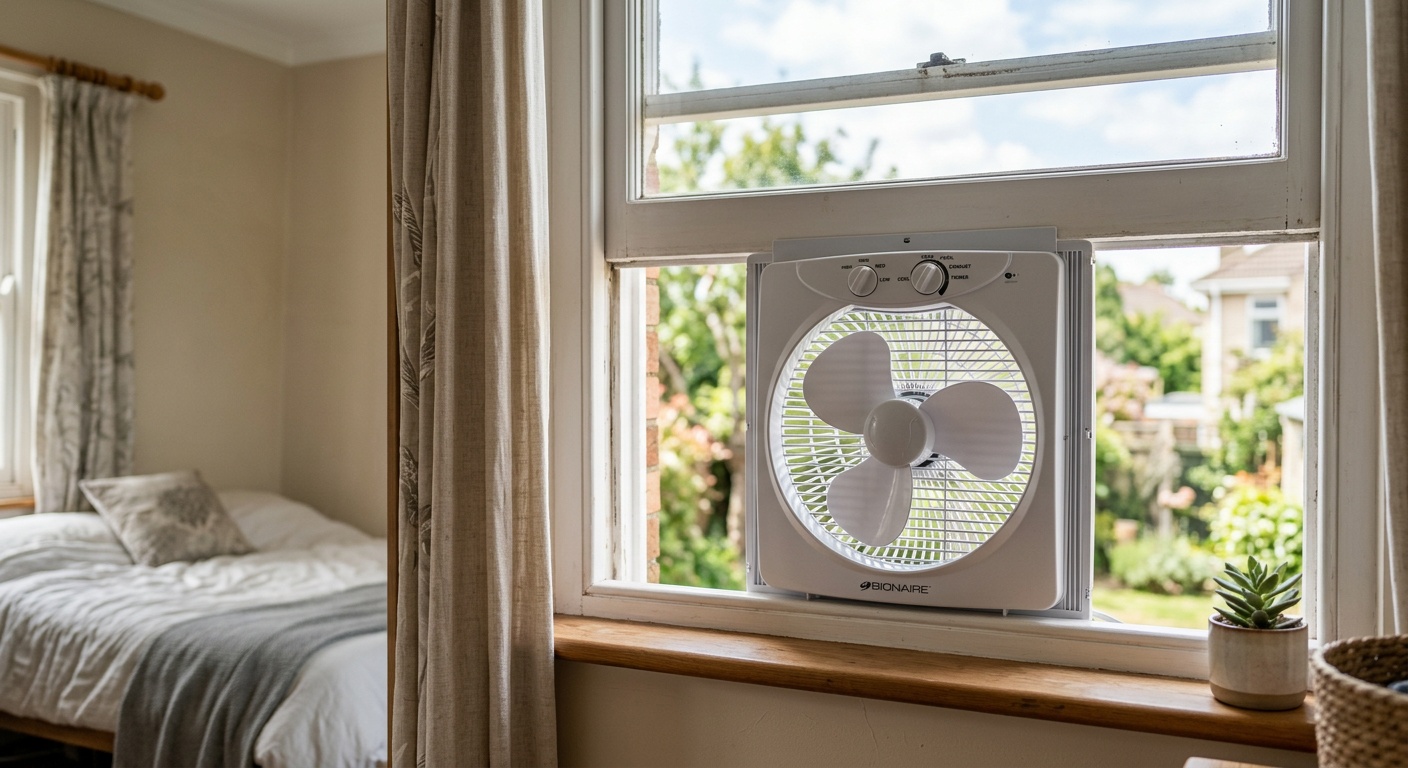
How to Sleep Cool All Summer Without Central AC
Reading time: 12 minutes
It’s 11:30 PM. The ceiling fan is spinning at full speed. You’ve already flipped the pillow three times. Your sheets feel like warm damp towels, and sleep feels like a distant dream. Sound familiar? If you don’t have central air conditioning — whether by choice, budget, or circumstance — summer nights can feel brutal.
Here’s the straight talk: you don’t need central AC to sleep comfortably in summer. Millions of people across the world live in warm climates without it and sleep just fine. What they have isn’t expensive equipment — it’s strategy. And that’s exactly what this guide delivers.
In 2026, with record-breaking heat events becoming increasingly common across North America, Europe, and Asia, the question of how to manage indoor temperatures without relying on energy-hungry central air systems is more urgent than ever. Energy bills have risen sharply, and many renters simply can’t install central systems. Whether you’re budget-conscious, eco-minded, or just stuck in a rental with no AC, this comprehensive guide will transform your hot, sleepless nights into cool, restful ones.
Table of Contents
- Why Your Body Struggles to Sleep in the Heat
- Mastering Airflow: The Foundation of Cool Sleep
- Cooling Your Body Directly (Not Just the Room)
- Choosing the Right Cooling Gear
- Your Sleep Environment: Bedding, Fabrics & Setup
- Daytime Habits That Make Nights Cooler
- Families, Babies, and Vulnerable Sleepers
- Comparative Cooling Solutions at a Glance
- Your Cool Summer Sleep Playbook: Next Steps
- FAQs
Why Your Body Struggles to Sleep in the Heat
Before we jump into solutions, it helps to understand the problem scientifically. Your body needs to drop its core temperature by approximately 1–2°F (0.5–1°C) to initiate and maintain deep sleep. This is a biological process — your hypothalamus triggers peripheral vasodilation (expanding blood vessels near the skin) to release heat into the environment. When the ambient temperature is too high, this heat transfer becomes inefficient, and sleep quality suffers dramatically.
According to a 2025 study published in the Journal of Sleep Research, participants sleeping in rooms above 75°F (24°C) showed a 23% reduction in slow-wave (deep) sleep and reported waking more than twice as frequently compared to those sleeping in rooms between 65–68°F (18–20°C). The ideal sleep temperature range, consistently cited by sleep scientists, sits between 60°F and 67°F (15.5°C to 19.5°C).
The challenge in 2026 is that in many regions — Phoenix, Athens, Tokyo, Mumbai, and even historically mild cities like London and Seattle — summer nighttime temperatures regularly hover in the high 70s and even 80s°F. Without central AC, you need to get creative and systematic.
“Heat is one of the most underestimated sleep disruptors. People blame stress, screens, and caffeine — but temperature is often the real culprit hiding in plain sight.” — Dr. Meera Patel, sleep medicine specialist, Johns Hopkins Sleep Center, 2025
Mastering Airflow: The Foundation of Cool Sleep
The single most powerful free tool you have against summer heat is strategic airflow management. Most people either open all their windows and hope for the best, or close everything and swelter. Neither approach is optimal. What you need is a deliberate system.
The Two-Phase Airflow Strategy
Think of your home’s temperature management as a two-phase operation:
- Phase 1 — Daytime Lockdown (roughly 9 AM to 7 PM): Keep windows and interior doors closed. Pull curtains and blinds shut, especially on south- and west-facing windows. You’re essentially turning your home into a cooler. The goal is to trap the cooler air from the night before and prevent solar heat gain from baking your interior.
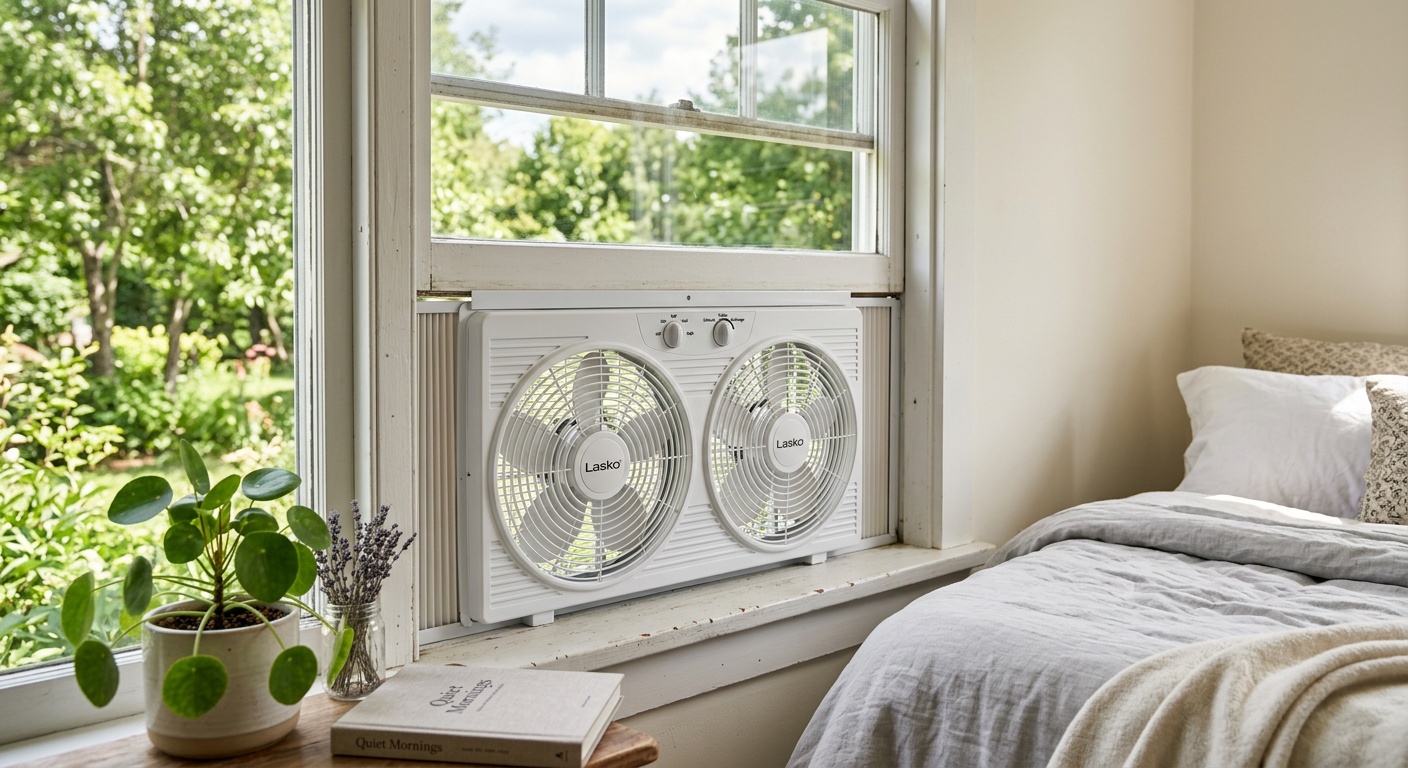
- Phase 2 — Night Flush (roughly 7 PM to 10 PM): Once outside temperatures drop below your indoor temperature, open windows strategically to flush hot air out. This is when cross ventilation becomes your secret weapon — placing box fans in opposite windows (one blowing in on the cooler, shaded side; one blowing out on the warmer side) can move significant volumes of air and drop indoor temps by 5–10°F within an hour.
Fan Placement Science: It Matters More Than You Think
Not all fan setups are created equal. Here’s what works:
- Intake on the north or shaded side: Draw in the coolest available outside air.
- Exhaust on the upper floors or hot-side windows: Hot air rises, so push it out high.
- Box fan facing OUT in the bedroom window: Counter-intuitive but effective — exhausting hot room air creates negative pressure that draws cooler hallway air in.
- Ceiling fan on counter-clockwise setting: Creates a wind-chill effect directly below it. Make sure your ceiling fan is set correctly — most have a summer/winter switch.
Case Study — Maria in Austin, Texas (Summer 2025): Maria, a 34-year-old teacher renting a second-floor apartment with no AC, implemented the two-phase strategy with two $28 box fans. She placed one in her living room window (intake, north-facing) and one exhausting from her bedroom window (west-facing). By 9:30 PM, her bedroom temperature had dropped from 83°F to 74°F — still warm, but combined with her other strategies, consistently comfortable enough for 7+ hours of sleep throughout a record-setting Texas summer.
Cooling Your Body Directly (Not Just the Room)
Here’s a perspective shift that changes everything: you don’t need to cool the entire room to sleep well — you need to cool your body. Your body surface area is about 17–20 square feet. A room is hundreds of square feet. Cooling yourself directly is vastly more efficient.
Before-Bed Body Cooling Rituals
Implement these in sequence for maximum effect:
- Lukewarm shower (not cold) 60–90 minutes before bed: This sounds counterintuitive, but a lukewarm or slightly cool shower dilates blood vessels and helps your body release heat more efficiently. Ice-cold showers can temporarily constrict vessels and actually delay heat loss. Aim for 68–72°F water.
- Damp cloth on pulse points: After your shower, apply a cool damp cloth to your wrists, neck, inner elbows, and ankles for 5 minutes. These are major pulse points where blood vessels run close to the skin — cooling them rapidly lowers overall body temperature.
- Cooling mist spray: Keep a small spray bottle of water (lightly chilled if possible) on your nightstand. A light mist on exposed skin, combined with fan airflow, creates significant evaporative cooling.
- Moisture-wicking sleepwear: Loose, light-colored sleepwear in bamboo, linen, or moisture-wicking athletic fabrics significantly outperforms cotton for heat management. Cotton traps moisture; bamboo releases it.
The DIY Ice Fan Trick
Place a shallow bowl or tray filled with ice cubes in front of a box fan. As the fan blows air over the melting ice, it picks up cool moisture and creates a DIY evaporative cooling effect. This works best in low-humidity environments (desert climates, for example) and can drop the perceived temperature in a small bedroom by 3–5°F for the duration of the ice melt (typically 45–90 minutes — enough to help you fall asleep).
Important caveat: In high-humidity climates (the Southeast US, coastal areas), this trick adds moisture to already-humid air and can feel more uncomfortable. In those environments, focus on moving air rather than adding moisture.
Choosing the Right Cooling Gear
If you’re ready to invest modestly in cooling equipment, the market in 2026 offers better options than ever — from smart portable ACs to personal space coolers. Here’s how to navigate the landscape intelligently.
Portable Air Conditioners: More Capable, Still Imperfect
Portable AC units have improved significantly. By 2026, leading brands offer units with CEER (Combined Energy Efficiency Ratio) ratings above 12, quieter operation under 52 decibels, and smart scheduling via app. A quality portable AC (8,000–10,000 BTU) can cool a 350–450 sq ft bedroom effectively.
The catch: They require a window exhaust hose, which means you can’t fully seal your windows during Phase 1 of the airflow strategy on that side. They also typically run $350–$650 for quality models, and consume 900–1,200 watts per hour of operation. At average 2026 US electricity rates ($0.17/kWh), running one 8 hours per night costs approximately $1.22–$1.63 per night, or roughly $110–$147 over a 90-day summer.
Evaporative Coolers: The Underrated Option
Evaporative coolers (also called swamp coolers) work by pulling warm air through water-saturated pads, evaporating moisture to cool the air. They’re dramatically cheaper to run — typically 75–80% less electricity than portable ACs — and work beautifully in dry climates. In 2026, personal desktop evaporative coolers have become remarkably compact and effective for single-room use.
If you have a newborn or young children in the room, it’s worth understanding whether is air cooler safe for babies before making a purchase — the answer involves humidity levels, positioning, and the type of unit you choose.
Personal Cooling Devices
The 2025–2026 market has seen an explosion in personal cooling gadgets. The most practical for sleep:
- Cooling mattress pads (water-circulating): Devices like the BedJet 3 or ChiliSleep OOLER circulate cool water through a mattress pad. Highly effective, energy-efficient (using just 70–120W), and particularly excellent for couples with different temperature preferences. Investment: $350–$800.
- Neck fans and personal wearables: Small battery-operated fans worn around the neck. Effective for the hour before sleep or reading in bed, less practical during sleep itself.
- USB-powered desk fans with oscillation: A quality 6–8 inch USB desk fan positioned 2–3 feet from your sleeping position provides targeted airflow without the noise of a box fan. Good ones run 30–40 decibels — quieter than most people’s refrigerators.
Your Sleep Environment: Bedding, Fabrics & Setup
Your bed itself is a major heat trap. The average American mattress in 2026 retains significant heat — particularly foam and memory foam models, which are notoriously warm. Here’s how to transform your sleep surface into a cool haven.
Bedding Material Matters Enormously
A 2024 consumer testing study by Sleep Foundation Research rated the breathability of common bedding materials. The results were striking:
Bedding Breathability Ratings (Higher = Cooler)
92%
85%
68%
51%
29%
The takeaway is clear: linen and bamboo sheets are dramatically better for summer sleep than standard cotton or synthetic materials. A quality linen sheet set costs $80–$180 and lasts 5–10 years — a worthwhile investment given the sleep quality improvement.
The Summer Sleep Setup: Step-by-Step
- Ditch the duvet entirely — use a single, thin linen sheet or a lightweight cotton muslin blanket only.
- Use a buckwheat or shredded latex pillow instead of foam — these have far better airflow and don’t trap heat the way memory foam does. Buckwheat pillows can be popped in the freezer for 20 minutes before bed for an extra cooling bonus.
- Elevate your sleeping position slightly — hot air rises, so a slightly inclined position (using a wedge pillow) can help keep your head slightly above the hottest layer of air in your bed.
- Sleep solo when possible — two bodies in a bed generate significantly more heat. If you have a spare sleeping option during extreme heat events, consider temporarily separating for the sake of both people’s sleep quality.
- Use a mattress topper with cooling gel or natural latex if your mattress is a foam model. Cooling gel toppers ($60–$200) create a meaningful buffer between you and the heat-retaining foam beneath.
Daytime Habits That Make Nights Cooler
Great summer sleep doesn’t start at bedtime — it starts in the morning. The choices you make throughout the day determine how much heat accumulates in your home by the time you go to sleep.
Case Study — The Chen Family in Sacramento, California: In summer 2025, the Chen family — parents and two teenagers in a three-bedroom home with a broken central AC system they couldn’t afford to repair — documented their approach over 6 weeks. By implementing daytime thermal management, they kept their home consistently 8–12°F cooler than the outdoor temperature, even on days reaching 104°F. Their key habits:
- Blackout curtains on all south and west-facing windows by 8 AM. They used temporary adhesive blackout film ($15 at a hardware store) on windows without curtain rods.
- No oven use after 10 AM. Cooking shifted to early morning, microwave, outdoor grill, or cold meals. The stove adds significant heat load to a home.
- Incandescent and halogen bulbs swapped for LED throughout. Incandescent bulbs convert only about 10% of their energy to light — the rest becomes heat. Switching to LED in five frequently used rooms measurably reduced their heat load.
- Laptop and electronics charging completed by noon. Electronics produce heat when charging. They set devices to charge overnight or early morning when temperatures were lowest.
- Indoor plants near windows. Several large-leafed plants (pothos, peace lily) near windows helped slightly through transpiration — plants release water vapor as they photosynthesize, providing minor evaporative cooling of the surrounding air.
The father, David Chen, noted: “We started tracking indoor temperatures with a cheap digital thermometer. That data was eye-opening. We realized our kitchen was consistently the hottest room — mostly from cooking and appliances — and managing that changed everything downstream.”
Beyond what you avoid, consider what you consume during the day. Spicy foods raise body temperature. Large, protein-heavy meals increase metabolic heat production during digestion. On very hot days, shift toward lighter, plant-based evening meals and ensure you’re drinking enough water — dehydration significantly impairs your body’s ability to regulate temperature through sweat.
Families, Babies, and Vulnerable Sleepers
Managing heat for vulnerable household members — infants, elderly relatives, or people with certain medical conditions — requires additional consideration. While adults can generally tolerate a range of sleep temperatures, infants and the elderly have reduced capacity to regulate body temperature, making them more susceptible to heat stress.
For elderly sleepers, the National Institute on Aging recommends ensuring bedroom temperatures don’t exceed 78°F (25.5°C) and suggest that personal cooling strategies — like damp cloths, cooling fans directed at the body, and light cotton nightwear — are applied consistently. Many medications common in older adults (beta-blockers, diuretics, antihistamines) further impair heat tolerance, so discuss summer heat management with a physician if applicable.
For infants and young children, the guidelines are more specific. The American Academy of Pediatrics recommends a sleep environment between 68°F and 72°F (20°C–22°C) for infants. If that’s not achievable without AC, focus on: a thin, breathable onesie or just a diaper for very young infants; ensuring good air circulation without directing fan airflow directly at the baby; and monitoring for signs of overheating (flushed skin, rapid breathing, unusual fussiness).
For people with heart conditions, COPD, or other heat-sensitive medical conditions, extreme heat events can be genuinely dangerous — not merely uncomfortable. During heat waves (defined in 2026 meteorological terms as three or more consecutive days above 90°F/32°C), connecting with cooling centers, libraries, or friends/family with AC may be the safest option, particularly for sleeping hours.
Comparative Cooling Solutions at a Glance
| Solution | Upfront Cost | Running Cost/Night | Cooling Effectiveness | Best For |
|---|---|---|---|---|
| Cross Ventilation + Box Fans | $30–$60 | ~$0.05 | Moderate (5–10°F) | Low humidity climates, budget-conscious |
| Evaporative Cooler | $60–$200 | ~$0.08 | Good (8–15°F) | Dry, low-humidity climates |
| Cooling Mattress Pad | $350–$800 | ~$0.12 | Excellent (direct body) | Couples, all climates, hot sleepers |
| Portable AC Unit | $350–$650 | ~$1.40 | Excellent (10–20°F) | High humidity climates, extreme heat |
| Linen Bedding + Body Techniques | $80–$180 | $0 | Moderate (perceived 3–5°F) | All climates, minimal investment |
Your Cool Summer Sleep Playbook: Next Steps
You now have a complete toolkit. Let’s turn it into a clear action plan. Here’s your practical roadmap for transforming this very night — and every hot summer night after it:
- Tonight — Start with what you have: Implement the two-phase airflow strategy immediately. Set a phone reminder for 7 PM to open windows once outside temps drop. Move your fan to exhaust position in the bedroom window. Pull the warmest bedding off and grab your lightest sheet.
- This week — Invest in foundations: Purchase linen or bamboo sheets (many quality options available on Amazon or at home goods stores under $100). Pick up one or two box fans if you don’t have them. Try the lukewarm pre-bed shower ritual for five consecutive nights and track your sleep quality.
- This month — Optimize your environment: Add blackout curtains or adhesive film to south and west-facing windows. Swap remaining incandescent or halogen bulbs for LED. Consider a buckwheat pillow. Evaluate whether a cooling mattress pad or evaporative cooler makes sense for your climate and budget.
- Before next summer — Plan ahead: If portable AC or a cooling mattress system is within your budget and relevant to your climate, purchase in spring when prices are lowest. 2026 data shows portable AC prices spike 40–60% during June–August in most US markets.
- Long-term — Think about your home’s thermal performance: If you own your home, attic insulation, radiant barrier installation, and exterior window shading (awnings, pergolas, exterior shutters) provide compounding benefits year after year. These aren’t just comfort investments — they’re resilience investments in an era of increasingly intense summers.
As global temperatures continue trending upward — 2025 was officially confirmed as the hottest year in recorded history, and 2026 is tracking closely — the ability to manage indoor heat without relying on energy-intensive central AC will become an increasingly valuable life skill. It’s not just about comfort. It’s about energy independence, financial resilience, and environmental responsibility.
So here’s your challenge: Pick just one strategy from this guide and implement it tonight. Not next weekend. Not when it gets really hot. Tonight. Because the best sleep of your summer is one small decision away — and once you feel the difference, you’ll wonder why you spent so many restless nights just hoping things would cool down.
Frequently Asked Questions
What is the single most effective thing I can do to sleep cooler without AC?
If you can only do one thing, implement the two-phase airflow strategy: keep windows sealed during the hottest part of the day to trap the cooler nighttime air from the previous night, then open windows strategically in the evening when outdoor temperatures drop below indoor temperatures. Combine this with a fan set to exhaust hot air from your bedroom window. This single habit, consistently applied, can reduce bedroom temperature by 5–10°F in many climates — often enough to cross the threshold into comfortable sleep. Pair it with a pre-bed lukewarm shower for even faster results.
Does sleeping with a wet sheet really work?
Yes — with some nuance. The “Egyptian method” of sleeping under a slightly damp sheet works through evaporative cooling: as the moisture evaporates, it draws heat away from your body. It’s most effective in low-humidity environments where evaporation happens quickly. In humid climates (above 60% relative humidity), evaporation slows dramatically, and a damp sheet can actually feel more uncomfortable than a dry one. In those environments, focus on air movement (fans) over moisture addition. If you want to try it, lightly mist a thin cotton or linen sheet with cool water — it should feel cool and slightly damp, not wet.
How do I cool a room that doesn’t have windows on opposite sides for cross ventilation?
Great question — and a very common challenge in apartments and smaller homes. If you can’t create true cross ventilation through opposite windows, create a pressure differential another way: open your bedroom window and place a fan blowing outward (exhausting hot air). Leave the bedroom door open. Place another fan in a hallway or adjacent room window pulling cooler air in from a different angle. You’re creating a circuit rather than a direct cross-draft, but the principle of moving air through and out of the hot space still applies. Alternatively, a portable AC or evaporative cooler becomes a more attractive option when architectural constraints prevent effective natural ventilation.
Article reviewed by Tom Schuster, Roofing & Water Damage Rehabilitation Expert, on July 15, 2026